.png)


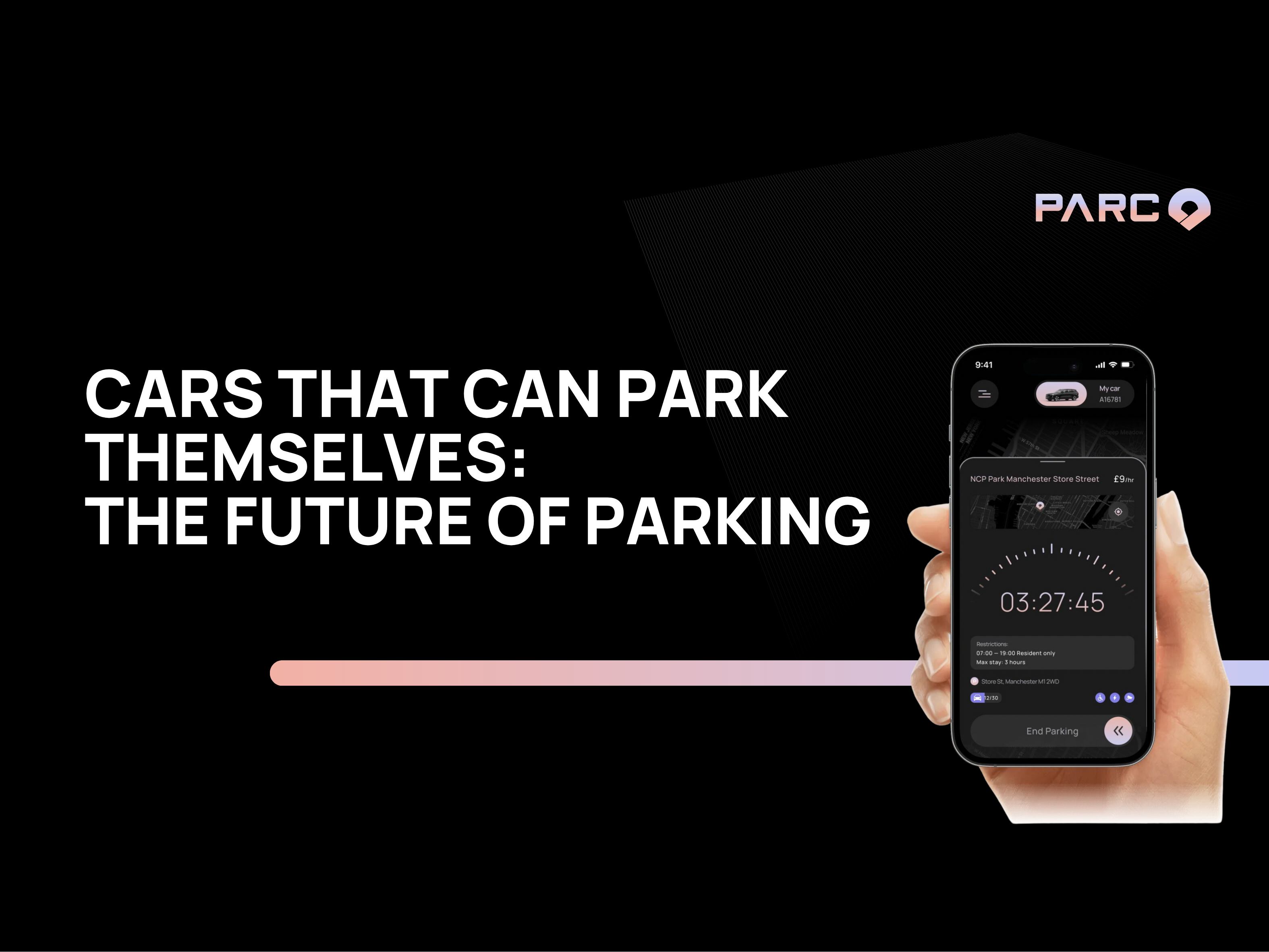
Nothing beats a bit of light reading about parking, right?
Believe it or not, parking has come a long way over the last century. From coin-operated parking meters to AI-powered automation, every generation has brought new ways to make parking easier, faster, and more efficient.
The question is: what's next?
As self-parking cars become more common and artificial intelligence transforms the way we travel, the future of parking could look very different from the one we know today.
Parking meters first appeared in the 1930s and quickly became a feature of city streets around the world.
Drivers would drop in coins, turn a handle, and hope they returned before the timer ran out. It was revolutionary at the time, but far from perfect. Running out of change or underestimating how long you'd be gone often resulted in a parking ticket.
For decades, parking largely remained the same. The technology was simple, but it relied heavily on drivers remembering to pay and keeping an eye on the clock.
The 1980s and 1990s introduced pay-and-display machines.
These machines allowed drivers to purchase parking tickets using coins and, later, card payments. Instead of feeding a meter, drivers displayed a ticket on their dashboard showing how long they had paid for.
Whilst it was a step forward, it still wasn't foolproof.
Tickets could fall off dashboards, printers could malfunction, and forgetting to display a ticket correctly often led to a fine.
The early 2000s brought one of the biggest changes yet: parking apps.
For the first time, drivers could pay for parking using their phones rather than relying on cash or paper tickets.
Parking apps also introduced features such as:
It was a major leap forward, but parking still relied on drivers remembering to start sessions, enter location codes, and extend their stay if plans changed.
Fast forward to today and parking technology has become far more sophisticated.
Many parking apps now offer:
Some platforms can even remember where you've parked and guide you back to your vehicle.
But despite all these improvements, one challenge remains.
Whilst parking technology has evolved significantly over the last 100 years, the biggest frustration for drivers remains surprisingly similar.
People still forget to pay.
They still use the wrong app.
They still enter the wrong location code.
They still receive parking fines for simple mistakes.
The technology has changed, but the human element hasn't.
Most parking fines aren't caused by drivers trying to avoid paying. They're caused by people being busy, distracted, or making an honest mistake.
That's why the next generation of parking solutions isn't just about helping drivers manage parking. It's about removing the need to manage it altogether.
The future of parking is likely to be driven by automation.
Artificial intelligence is already beginning to transform parking.
Platforms like PARC are designed to automate the entire process, removing the need for drivers to remember location codes, payment deadlines, or expiry times.
Instead of managing parking manually, drivers can simply park their car and continue with their day.
Cars are becoming smarter every year.
Many modern vehicles already include self-parking features that can steer into spaces automatically. Future vehicles are expected to communicate directly with parking infrastructure, making the entire process even more seamless.
Imagine your car finding a space, parking itself, and managing payment automatically.
That future may not be as far away as it sounds.
Future parking systems are also likely to focus on sustainability.
Expect to see:
As cities continue to grow, parking technology will play an important role in making urban travel more efficient.
When people think about the future of parking, they often imagine fully autonomous vehicles.
But the real opportunity isn't just cars that can park themselves.
It's parking that manages itself.
A world where there are no timers to remember, no location codes to enter, and no parking apps to juggle.
A world where parking happens automatically in the background, allowing drivers to focus on where they're going rather than how they're paying.
That future is already starting to emerge.
Avoid parking tickets altogether with PARC. Our automated AI app handles your parking for you.
You park. PARC parks for you.
No more forgetting to pay, running out of time, entering the wrong location code, or downloading multiple parking apps.
PARC automatically manages your parking session and keeps you parked until you return.
The only parking app you'll ever need.
A self-parking car uses sensors, cameras, and software to automatically steer into a parking space with little or no input from the driver.
Many modern vehicles already offer assisted parking features that can help drivers parallel park or reverse into spaces automatically.
The future of parking is likely to involve greater automation, connected vehicles, AI-powered parking systems, and seamless payment technology.
Rather than replacing parking apps, AI is expected to make them smarter by automating payments, finding spaces, and reducing the need for manual input.
PARC is the world's first automated parking app. You park your car, PARC parks for you. It automatically manages your parking session, helping drivers avoid parking fines caused by forgotten payments, expired sessions, or incorrect location codes.




.png)

%20(1).png)
