A LITTLE KNOW-HOW GOES A LONG WAY


The government has announced major changes to private parking rules across England, Scotland and Wales, with new protections for drivers who make genuine mistakes, clearer grace periods and reduced charges for certain minor errors.
For anyone who's ever received a parking ticket because they entered the wrong registration number, forgot to display a permit or returned to their car a few minutes late, the announcement is welcome news.
But the changes don't mean parking fines are disappearing. The maximum standard private parking charge will remain at £100, and council-issued parking tickets aren't covered by the new rules.
So, what's actually changing, when will the new rules come into force and what will they mean for drivers?
The government has introduced a new Private Parking Code of Practice designed to make parking enforcement fairer and more consistent.
The rules cover private parking operators at locations such as supermarkets, retail parks, shopping centres, hospitals and privately managed car parks.
They introduce stronger protections for drivers who make genuine mistakes or experience circumstances outside their control.
The main changes include:
Drivers will generally have at least five minutes after entering a private car park to find a space, read the signs and decide whether they want to stay.
At certain larger car parks offering free parking, the minimum consideration period will increase to ten minutes.
This gives drivers more time to understand the terms and conditions before committing to parking.
However, the consideration period isn't simply free parking time. If you accept the parking terms by parking or paying, the parking period may begin before the consideration period expires.
One of the biggest changes is the introduction of a minimum ten-minute grace period at the end of most permitted private parking sessions.
This gives drivers time to return to their vehicle and leave the car park without receiving an immediate charge.
For example, if your paid parking session ends at 2pm, a qualifying ten-minute grace period would generally allow you until 2:10pm to leave.
It's designed to prevent drivers from receiving expensive charges because they were a few minutes late returning to their car.
The grace period won't apply in every situation. Clearly designated short-stay locations, for example, are excluded from the standard ten-minute requirement.
Drivers must also have complied with the other applicable parking terms.
The new code introduces clearer rules requiring parking operators to cancel charges on appeal in specified circumstances.
These include situations such as:
These protections are particularly important for drivers who previously faced lengthy disputes over situations they couldn't reasonably control.
However, the circumstances must meet the code's requirements, and drivers may need to provide evidence when appealing.
Another significant change concerns mistakes such as entering the wrong vehicle registration, forgetting to display a parking permit or failing to confirm a registration number at a payment machine.
Under the new rules, qualifying errors will be eligible for a reduced charge of no more than £20 following an appeal.
This is a considerable reduction from the standard private parking charge, which can be as high as £100.
However, it doesn't mean every parking mistake will automatically cost £20.
The driver must appeal, and the circumstances must qualify under the new Appeals Charter.
Despite calls from motoring organisations to reduce the maximum private parking charge to £50, the government has decided to retain the existing £100 maximum.
This means drivers can still face substantial charges for breaching private parking conditions.
The new code introduces stronger protections for certain errors, but it doesn't remove the responsibility to pay for parking or follow the rules.
The reforms also introduce stronger oversight of the private parking industry.
Operators that fail to comply with the new code risk losing access to vehicle keeper information held by the Driver and Vehicle Licensing Agency (DVLA).
This is significant because private parking companies commonly rely on DVLA records to identify registered keepers and send parking charges through the post.
The new framework also provides for greater scrutiny of operators and their compliance with the rules.
The scale of private parking enforcement has increased significantly in recent years.
According to figures reported by the RAC, private parking operators issued a record 16.9 million parking tickets in the 2025/26 financial year, more than two million above the previous year.
That's over 46,000 private parking notices every day on average.
The reforms also follow years of debate about how the private parking industry should be regulated.
The Parking (Code of Practice) Act became law in 2019, but introducing a statutory code has taken considerably longer than originally expected.
RAC head of policy Simon Williams welcomed the progress, noting that the introduction of a government code seven years after the legislation was passed was a positive development.
The aim is to make private parking enforcement more consistent, with clearer standards for operators and greater protection for motorists.
Although the announcement has been welcomed by motoring organisations, there are still concerns about what the reforms leave unchanged.
One of the biggest is the decision to retain the £100 maximum private parking charge.
Consumer groups had called for this to be reduced to £50, arguing that the existing amount can be disproportionate to the original parking mistake.
There are also two other areas attracting criticism.
Debt recovery fees: Private parking companies can still seek additional debt recovery charges, subject to the applicable legal rules. The government has indicated that further consultation on these fees is planned for 2027.
Independent appeals: The reforms don't immediately replace the existing appeals services, POPLA and the IAS, with one unified independent body.
This means drivers may still encounter different appeals routes depending on which trade association their parking operator belongs to.
The new code is an important step towards fairer enforcement, but it doesn't resolve every concern surrounding private parking charges.
The new Private Parking Code of Practice was laid before Parliament on 20 October 2026. If there are no parliamentary objections, the government expects to issue the code on 30 November, with the new rules coming into force on 21 December 2026. These dates remain subject to the parliamentary process, and the existing rules continue to apply until the new code takes effect.
No. This is an important distinction.
The new Private Parking Code of Practice applies to private parking operators in England, Scotland and Wales.
It doesn't change the statutory enforcement process for council-issued Penalty Charge Notices.
Council parking tickets follow separate rules, including their own payment deadlines, appeal procedures and enforcement stages.
For example, qualifying council parking places in England already have a statutory ten-minute grace period after an authorised parking period expires.
However, that protection doesn't apply to every parking situation, such as parking on yellow lines or failing to pay where payment is required.
If you receive a parking ticket, always check whether it was issued by a council or a private parking company.
The biggest change is that drivers will have clearer protections when something goes wrong.
A few extra minutes returning to your vehicle, an incorrect registration digit or a situation outside your control shouldn't automatically result in the same consequences as a deliberate breach of parking conditions.
But it's important to remember that the new rules are designed to improve how parking charges are issued and challenged.
They don't remove the need to pay for parking, follow the terms and conditions or submit an appeal when something goes wrong.
And for certain mistakes, drivers will still need to gather evidence, contact the operator and complete the appeals process within the relevant deadline.
The best approach remains to pay correctly, keep evidence of your parking session and challenge any charge you believe has been issued unfairly.
The new rules recognise a problem that PARC has been built around from the beginning: small parking mistakes can have disproportionately expensive consequences.
For PARC founder Erin Short, that experience was personal.
Erin had already paid for parking when a simple vehicle registration error led to a lengthy legal dispute. What started as a minor mistake escalated into hundreds of letters, legal proceedings and a claim worth thousands of pounds.
That experience inspired him to build PARC.
Rather than creating another app that still required drivers to remember when, where and how to pay, Erin wanted to remove the opportunities for those mistakes to happen in the first place.
And that's why these reforms are positive news for PARC.
The government is improving what happens after certain parking mistakes occur. PARC is designed to help prevent those mistakes from happening at all.
A £20 charge instead of £100 is welcome. So is a clearer right to appeal when something goes wrong.
But drivers may still need to recognise the mistake, gather evidence and submit an appeal correctly and on time.
And none of these new protections changes the rules for council-issued parking tickets.
PARC takes a different approach by making parking payments simpler from the beginning.
Read more about how one parking dispute inspired Erin Short to build PARC.
This is where PARC really changes the parking experience.
Imagine driving into a parking bay, switching off your engine and walking away. You don't need to find the right parking app, search for a location code or estimate how long you're going to stay.
You simply park and walk away.
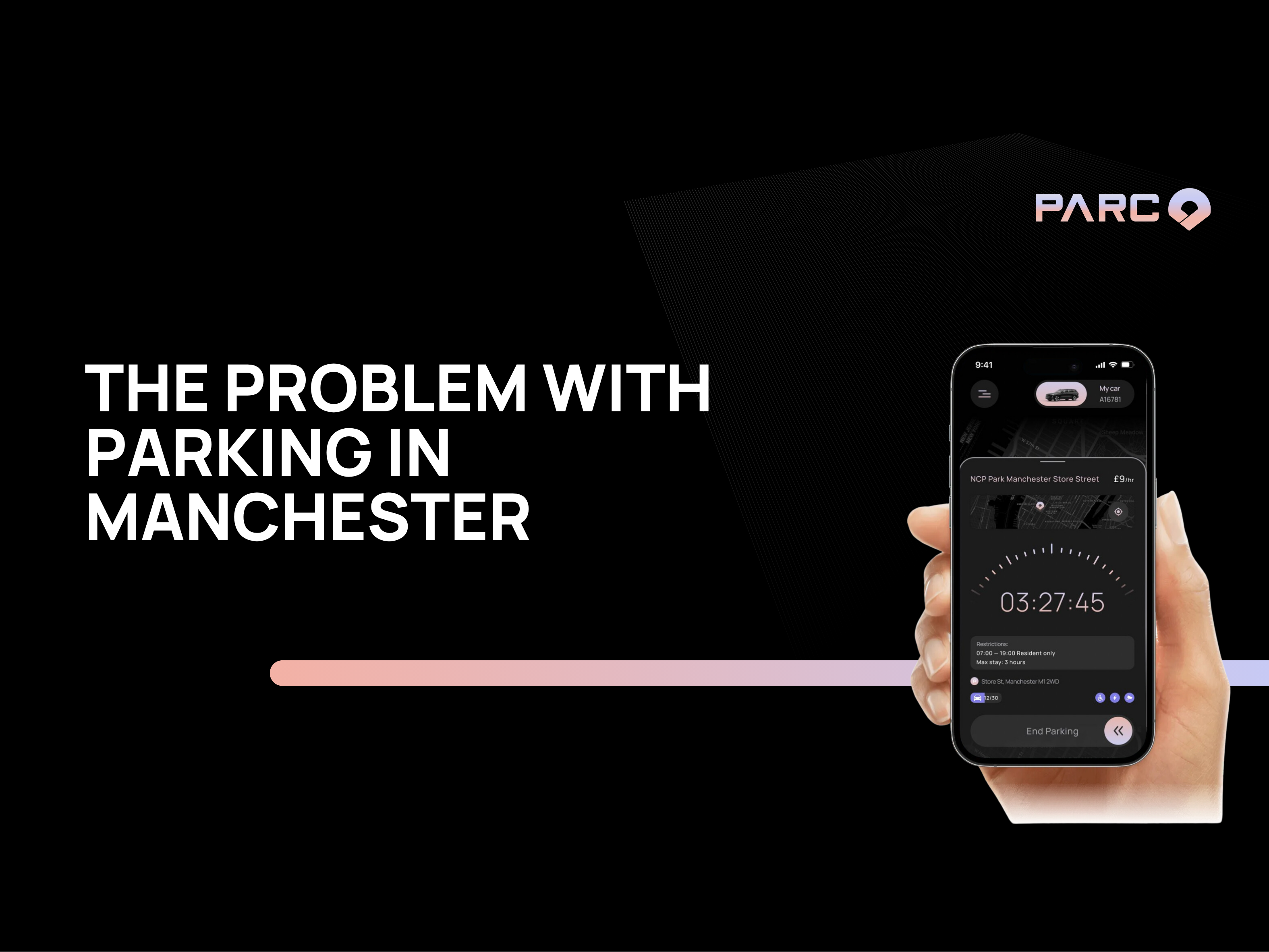
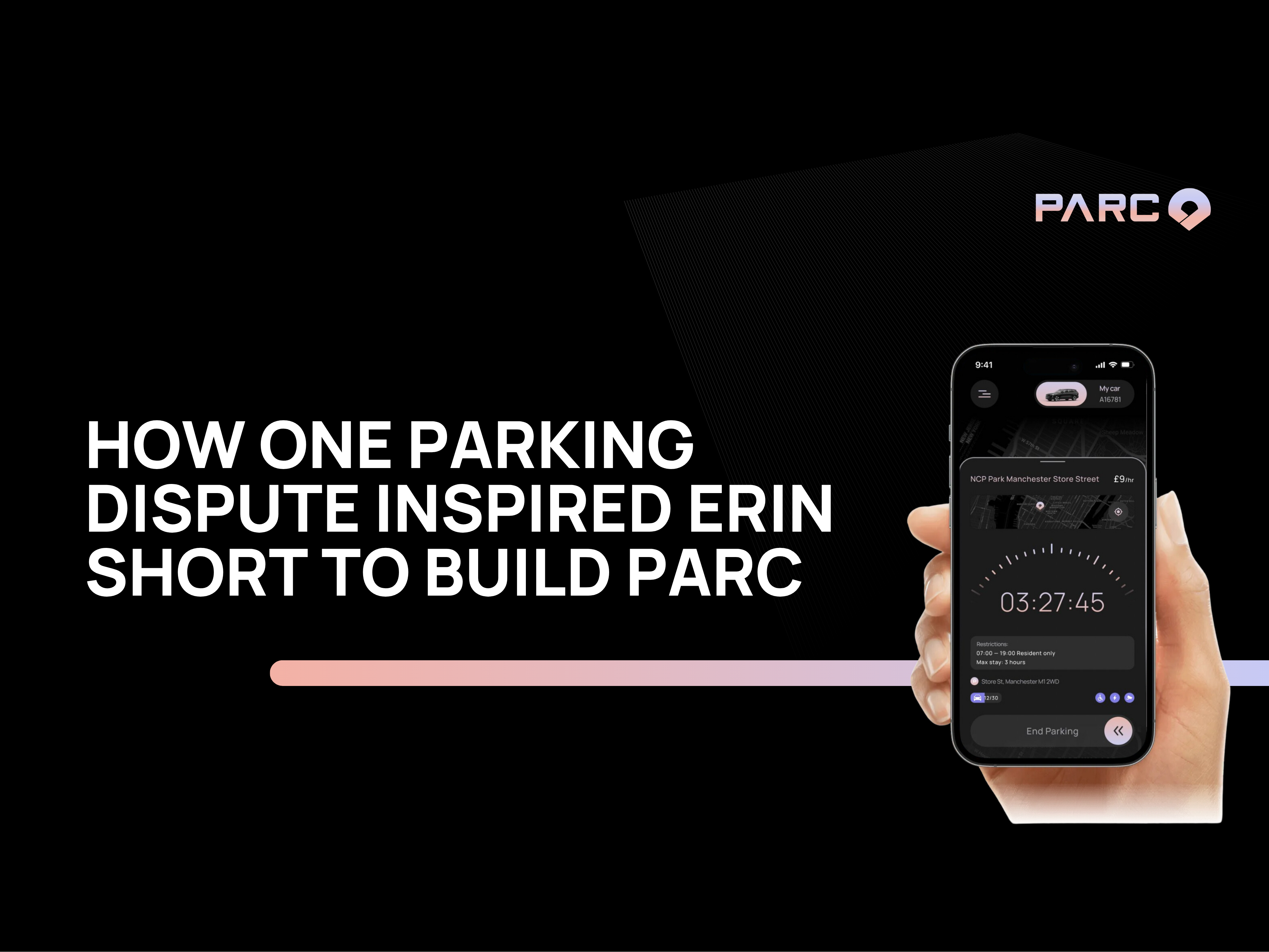
With fully automatic mode enabled, PARC is designed to detect when you've parked, identify the location, check whether payment is required and manage your parking session until you return.
You don't need to remember to start a session because PARC handles that process for you at supported locations.
And you don't need to keep watching the clock, worrying that a meeting might overrun or rushing back to your car because your parking session is about to expire.
For anyone who's ever received a parking fine because they forgot to pay, this is a significant change.
You park. PARC parks for you.
PARC also offers semi-automatic and manual modes, giving drivers different levels of control over their parking sessions.
While no app can prevent fines for illegal parking or other breaches of parking restrictions, PARC is designed to reduce the risk of avoidable payment-related tickets.
The government has published a new Private Parking Code of Practice introducing clearer consideration periods, ten-minute grace periods at most locations, stronger appeals protections and reduced charges for certain minor errors.
The new Private Parking Code of Practice was laid before Parliament on 20 October 2026. If there are no parliamentary objections, the government expects to issue the code on 30 November, with the new rules coming into force on 21 December 2026. These dates remain subject to the parliamentary process, and the existing rules continue to apply until the new code takes effect.
Most permitted private parking sessions will have a minimum ten-minute grace period after the parking period ends. Exceptions apply, including certain designated short-stay locations.
Yes, but qualifying registration errors will be eligible for appeal for a reduced charge capped at £20 following an appeal under the new code.
No. The government has retained the maximum standard private parking charge of £100.
No. Council-issued Penalty Charge Notices follow separate legislation and appeals procedures.
Operators risk consequences for non-compliance, including restrictions on access to DVLA vehicle keeper data.
No. Drivers can still receive charges for breaching parking conditions. The reforms are designed to make enforcement fairer and provide stronger protection for certain genuine mistakes.
PARC is the future of parking. An automated parking app designed to take the hassle out of paying for parking and help prevent fines caused by everyday mistakes.
With PARC's fully automatic mode, you simply drive into a parking bay, switch off your engine and walk away. PARC does the rest.
PARC automatically detects where you've parked, identifies the parking provider, checks whether payment is required and manages your parking session until you return. Best of all it’s all your parking apps in one.
There's no need to search for the right parking app, enter a location code, estimate how long you'll be staying or worry about your parking session expiring.
That means fewer opportunities to forget to pay, choose the wrong location or receive a parking fine because your meeting ran longer than expected.
PARC also offers semi-automatic and manual modes, giving drivers more flexibility in how they manage their parking.
Available across the UK, PARC is making parking simpler, smarter and less stressful.
You park. PARC parks for you.
Erin Short is the founder of PARC, the automated parking app inspired by his own experience of receiving a parking fine despite having paid for parking.
A simple mistake with his vehicle registration led to years of disputes, hundreds of letters, legal proceedings and a claim worth thousands of pounds. For Erin, it highlighted just how disproportionate parking fines can be. A driver might only need to pay another £1 for parking, yet a small mistake could leave them facing a £75 charge.
But Erin's vision for PARC goes far beyond preventing parking fines.
As cars become increasingly intelligent, with some already capable of driving themselves, paying for parking remains a surprisingly manual and time-consuming process. Drivers are still expected to download multiple apps, find the correct parking provider, enter location codes and estimate how long they'll be staying.
Erin wanted to bring parking into the future.
He created PARC to make the entire process simpler and, where supported, fully automatic. You simply park your car, walk away and get on with your day while PARC takes care of your parking session.
Read more about how one parking dispute inspired Erin Short to build PARC.
The new Private Parking Code of Practice is welcome news for drivers. Clearer grace periods, better appeals protections and reduced charges for certain mistakes should make private parking enforcement fairer.
But even with stronger protections, drivers will still need to manage their parking payments, and mistakes can still happen.
PARC was built to make that process simpler.
With fully automatic parking, you can park, walk away and let PARC manage your supported parking session until you return.
You park. PARC parks for you.
The only parking app you'll ever need.
Please note: This article is based on the government's Private Parking Code of Practice and official announcements available as of 20 October 2026. Although the code has been published and laid before Parliament, the new rules are not yet in force. The government currently expects them to take effect on 21 December 2026, subject to parliamentary approval. Details and implementation dates may change. Existing parking rules continue to apply in the meantime.