.png)


You've just found a parking fine. Your stomach sinks. Your first instinct is to pay it and move on.
Don't. At least not yet.
48,000 parking tickets are issued every single day in the UK. The system is built to make you pay quickly, quietly, and without question. But a lot of those tickets have weaknesses. And some of them shouldn't be paid at all.
This guide gives you the real cheat sheet. The things that actually work, the loopholes the parking companies hate, and the honest truth about why fighting them is harder than it should be.
Before you do anything else, run through this list.
1. Who issued it?
Check the back of the ticket. If it has a company name rather than a council or authority name, it's a private ticket, not a fine. A private company cannot legally fine you. They can only invoice you for an alleged breach of contract. That changes everything.
2. When did it arrive?
If it came through the post and there was no windscreen ticket, check the postmark date against the date of the alleged event. Private companies must send the Notice to Keeper within 14 days. If it's late, keeper liability fails. They cannot legally pursue you as the registered keeper.
3. Are they even allowed to chase you?
Google the company name plus "BPA" or "IPC". If they're not a member of either trade body, they cannot access DVLA records to find out who owns the car. Without that, they cannot pursue you.
4. Check the exact timestamp.
Council wardens must wait 10 minutes after your paid session expires before issuing a ticket. Check the ticket time against your parking receipt. If it's within that window, the ticket is invalid.
5. Were the signs readable?
Go back and photograph the signs. If they were hidden, damaged, too small, or impossible to read from the driver's seat, the contract was never formed. No valid contract, no enforceable charge.
6. Did the machine work?
If the pay machine was broken, the parking app crashed, or your card was rejected, they cannot charge you for their system's failure. Screenshot everything immediately.
7. Check the ticket for errors.
Wrong registration plate, wrong date, wrong time, wrong location. Any factual error on a council PCN is grounds for cancellation. Private tickets are less strict but errors still weaken their case significantly.
Every trick in this guide helps you fight a fine you've already got. But the smartest move is making sure you never get one in the first place.
That's exactly why we built Parc.
We got tired of watching people lose 60 pounds to a system that profits from human error. Forgetting to extend your session by ten minutes shouldn't cost you a week's shopping. So we automated the whole thing.
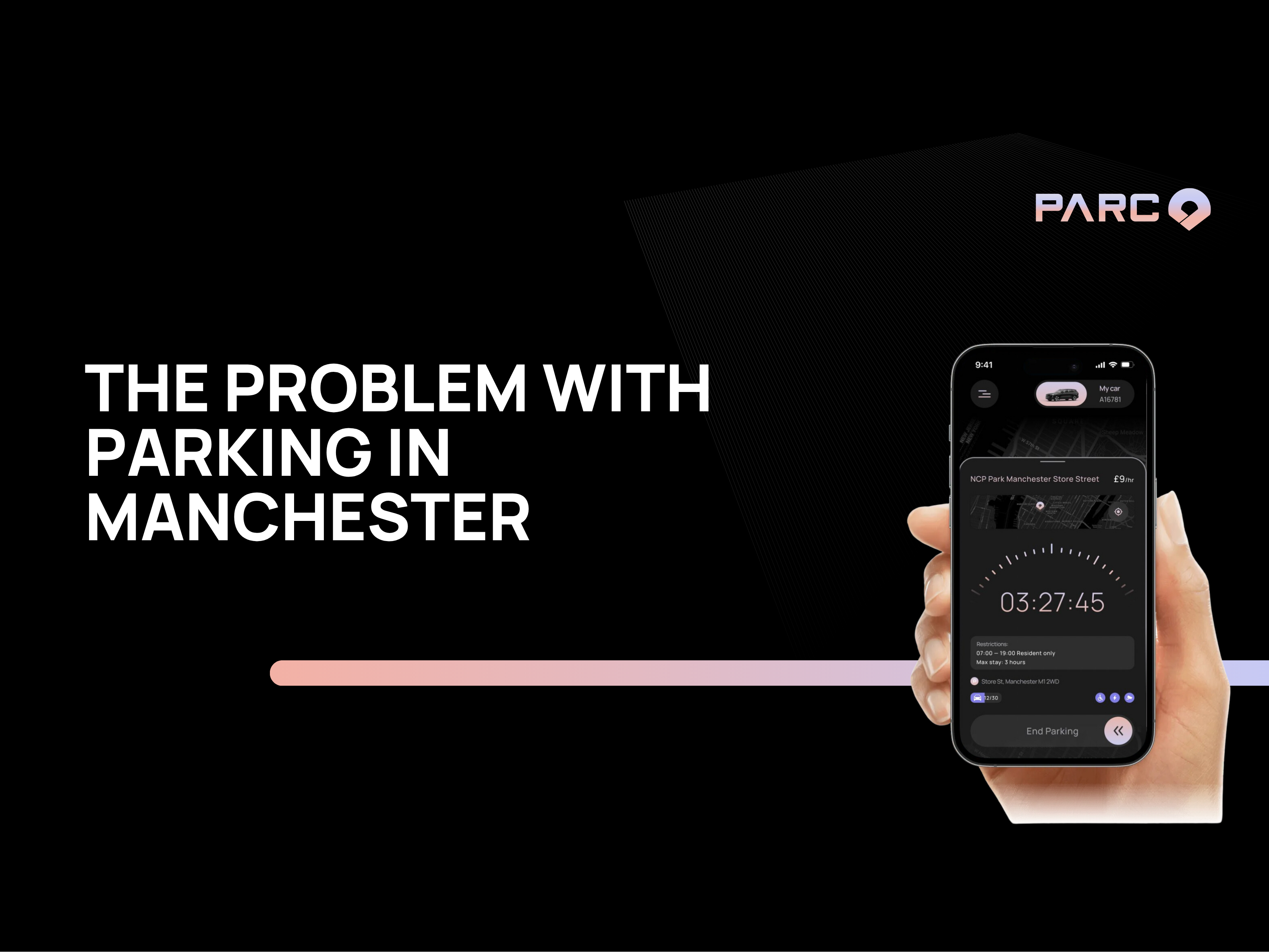
Parc detects when you've parked and automatically manages your session. It keeps it active for as long as you need, and winds it down the moment you return to your car. No timers. No reminders. No moment where you realise you've overstayed. It works with every parking provider in the UK, everywhere.
One app. Every car park. Zero fines. Ever.
Download Parc free on the App Store
If you've run through the cheat sheet and you think you have grounds, here's the process depending on which type of ticket you have.
Council PCNs are official fines with real legal weight. They can escalate to bailiffs if ignored. Don't ignore them, but don't automatically pay either.
Payment is treated as admission of liability. It ends your right to appeal immediately. If you're going to challenge, don't touch that payment link.
This is called an informal representation. The 14-day discount window pauses while they consider it. If they reject it, you still get another 14 days to pay at the discounted rate. You lose nothing by trying.
The grounds that succeed most often: you were within the 10-minute grace period, signage was unclear or missing, the machine was broken, the PCN contains factual errors, you had a valid permit or Blue Badge, medical emergency, or you already paid and have proof.
If your formal representations fail, escalate to the Traffic Penalty Tribunal (outside London) or London Tribunals. These are completely independent from the council. Around half of appeals succeed here. It costs nothing. Do it.
Private tickets are invoices, not fines. A private company cannot fine you. They can only sue you in the civil courts, and they usually won't, because it costs them more than the ticket is worth.
If your ticket came through the post with no windscreen notice, the company must send a Notice to Keeper within 14 days of the alleged event. Around 1 in 5 are sent late. Check the postmark. If it's outside the window, keeper liability has not transferred. They can only pursue the driver, and since they don't know who was driving and you're not obliged to tell them, the charge is effectively unenforceable.
If you're the registered keeper but weren't driving, you are not legally required to identify who was. Write your appeal as the keeper. Do not volunteer the driver's name. Without it, they cannot proceed against an individual.
They clock you from when your number plate enters to when it leaves. That includes queuing to get in, finding a space, loading, queuing to exit. If your alleged overstay was under 15 minutes, you almost certainly weren't actually over the limit. Request their evidence and challenge the timestamps.
Google the company name. If they're not listed on the BPA or IPC website, they cannot access DVLA data. No DVLA access means they don't know who owns the car. Their ability to pursue you is essentially zero.
Write to the company directly within 28 days. Keep it factual. Don't admit anything. If they reject you, escalate to POPLA (for BPA members) or IAS (for IPC members). Both are free and independent. POPLA cancels around 40% of appeals that reach it.
The parking industry collects over 620 million pounds a year. Private firms issued 13.1 million tickets in just nine months of 2025. The appeals process is deliberately designed to make you give up and pay.
Most people do.
Even with strong grounds, council appeals only succeed around 50% of the time. You can spend hours building a solid case and still lose.
We're not saying don't appeal. If you have clear grounds, fight it. You might win and it costs nothing to try.
But we built Parc because we think the whole premise is wrong.
The vast majority of parking fines happen because someone lost track of time. A meeting ran over. A GP appointment took longer than expected. They simply forgot. These are human errors, and a 60 pound fine is a completely disproportionate response to them.
Parc removes the human error entirely. Your session never expires while you're still away from your car. There's no window in which you can overstay, because Parc is watching and extending automatically until the moment you return.
You can't get caught out if there's nothing to catch you out on.
Download Parc free on the App Store
If this guide helped, these might too:
Not automatically. Private parking tickets are invoices for an alleged breach of contract, not legal fines. Check whether the company is a BPA or IPC member, whether the Notice to Keeper arrived within 14 days, and whether the signage was adequate. Many private tickets have weaknesses that make them unenforceable.
If the company is a BPA or IPC member, they can obtain your DVLA details and escalate to a debt collection agency or civil court. Don't ignore a ticket entirely. If you have grounds, appeal. If you don't, pay at the discount rate.
Under the Protection of Freedoms Act 2012, if a private parking ticket was not placed on your windscreen, the company must send a Notice to Keeper within 14 days of the alleged event. If it arrives late, keeper liability does not transfer. The company can only pursue the driver, and since they usually don't know who was driving and you're not obliged to tell them, the charge becomes effectively unenforceable.
No. Payment is treated as an admission of liability and ends the appeals process immediately. If you intend to challenge a council PCN, do not pay it first.
Parc is the UK's only automatic parking app. It detects when you've parked, automatically manages your session with the relevant provider, and winds it down when you return to your car. Your session never expires while you're away. It works with every parking provider in the UK and is available now on iOS.






%20(1).png)