A LITTLE KNOW-HOW GOES A LONG WAY


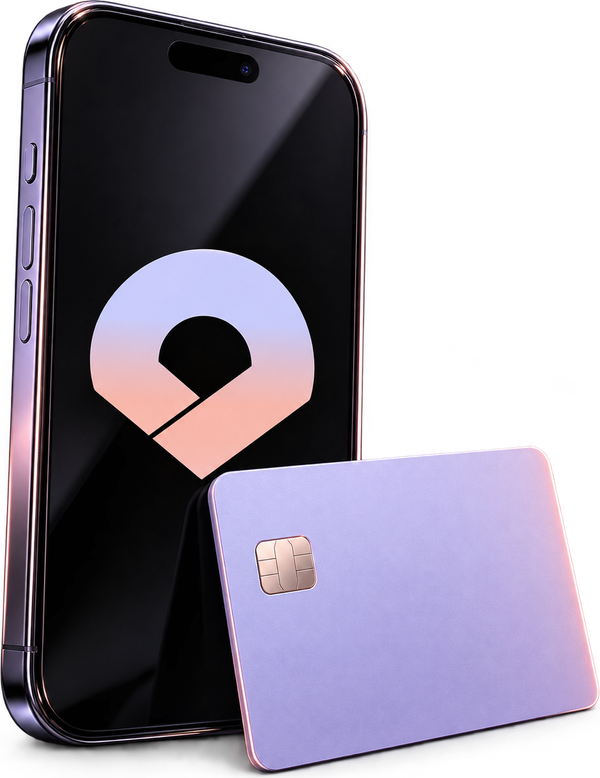
Manchester has become the first city in the UK to go live with PARC, an automated parking app built to stop drivers getting fined for the small mistakes that can lead to parking tickets. Instead of asking drivers to remember to pay, extend a session or find the right app for a particular car park, PARC is designed to detect when you've parked and manage the payment process automatically, from starting a session to ending it when you return.
It's a simple idea aimed at a problem that costs UK drivers far more than they might expect. Every day, thousands of parking tickets are issued across the country. While some involve deliberate breaches of parking restrictions, others arise from everyday mistakes, such as forgetting to pay, entering the wrong location code or allowing a parking session to expire.
PARC wants to change that. And it's starting in Manchester.
Manchester wasn't picked at random. It's a busy city with a complicated parking landscape, high levels of enforcement and a growing technology ecosystem. For a company looking to change the way people pay for parking, it was a natural place to start.
According to Manchester City Council's Parking Services Annual Report 2024/25, the council issued 322,905 on-street parking penalty charge notices (PCNs) and 56,345 off-street parking PCNs in a single year. That's a combined total of 379,250 parking notices, averaging more than 1,000 every day.
When bus-lane and moving-traffic enforcement are included, the total rises to 604,383 notices across the year, equivalent to more than one every minute.
Not all of these notices relate to parking payment mistakes, but the figures show the scale of enforcement across Manchester.
For drivers, the experience can be frustrating. One street might use RingGo, another PayByPhone, and a nearby car park could have a completely different payment system. Even when you've found a perfectly legal parking space, there's still the question of how to pay, how long to stay and whether you'll remember to extend your session.
PARC was built to remove those extra steps.
For PARC founder Erin Short, the problem with parking became personal long before the app launched.
A simple mistake involving a vehicle registration turned into a lengthy parking dispute, hundreds of letters and legal proceedings. What should have been a straightforward issue became a costly and exhausting experience.
It raised a bigger question: why are drivers still expected to manage so many small details when technology could handle them automatically?
Rather than creating another app that simply made it easier to pay, Erin wanted to build something that removed the need to think about parking payments altogether.
Manchester also offered the right environment to test the concept at city scale. With its mix of on-street parking, privately operated car parks, commuters, visitors and businesses, the city provides a useful starting point for PARC's wider ambitions.
Read more about how one parking dispute inspired Erin Short to build PARC.
Most parking apps have made it easier to pay for parking. PARC is designed to remove the need to remember to pay in the first place.
Once you've downloaded the app, added your vehicle and payment details and enabled fully automatic parking, PARC can manage supported parking sessions in the background.
Imagine driving into a parking bay in Manchester. You switch off your engine, get out of the car and head to your meeting, appointment or favourite coffee shop.
You don't need to find a parking machine, download a different provider's app, enter a location code or guess how long you'll be staying.
PARC detects that you've parked, checks whether payment is required and, where supported, manages your parking session until you return.
You park. PARC parks for you.
Although fully automatic parking is at the heart of PARC, drivers can choose between three different modes.
Parking mode
How it works
Driver involvement
Fully automatic
PARC detects parking and manages the supported payment session
Park and walk away
Semi-automatic
PARC combines parking technology with driver involvement
Some interaction
Manual
Drivers manage their parking sessions through PARC
Full control
Fully automatic parking is designed for drivers who want the simplest possible experience. With the feature enabled, you can park and walk away, knowing PARC is designed to handle the payment process at supported locations.
Semi-automatic parking gives drivers more involvement while still benefiting from PARC's technology.
Manual parking is available for people who prefer to manage their sessions themselves.
The idea isn't to force everyone to park in the same way. It's to give drivers the option to make parking as effortless as they want it to be.
One of the biggest frustrations with parking in the UK is the number of different payment apps drivers are expected to use.
RingGo, PayByPhone, JustPark and other services all have their place, but switching between different providers can make a simple task unnecessarily complicated.
You might have one app for parking near work, another for visiting friends and a third for a weekend away.
PARC brings supported parking providers together into one app.
The company reports integrations covering more than 1.8 million parking spaces across the UK, with Manchester becoming its first live city.
Rather than expecting drivers to work out which payment provider operates a particular location, PARC is designed to identify the supported parking area and manage the relevant payment process.
That means fewer apps to manage, fewer location codes to enter and fewer opportunities to make mistakes.
It's worth remembering that coverage varies by location. Drivers should always check that PARC supports their parking space and that their session is active before relying on automatic payment.
One of the main reasons PARC was created was to reduce parking fines caused by avoidable payment mistakes.
We've all had those moments when a meeting overruns, a shopping trip takes longer than expected or we suddenly remember that we never paid for parking.
Traditional parking apps have made the payment process more convenient, but they often still rely on drivers remembering to start and extend their sessions.
PARC is designed to take that responsibility off your hands.
With a conventional parking app, you normally need to remember to open it and start a session.
With PARC's fully automatic mode, the app detects when you've parked and manages payment at supported locations. This removes the need to remember to start a session manually.
Different parking areas can have different location codes, even when they're close together. Entering the wrong code can mean paying for the wrong space.
PARC's automatic location identification is designed to remove this manual step for supported sessions.
Many parking apps offer reminders when your session is about to expire. However, those reminders still rely on you noticing them and taking action.
PARC is designed to manage your supported parking session until you return, subject to the location's parking restrictions and maximum stay rules.
Parking payment providers can share session information with enforcement systems, allowing parking wardens to check whether a vehicle has a valid payment.
This helps explain why drivers sometimes return to their cars to find a parking ticket issued shortly after their paid session expired.
Once a session has ended, the enforcement system may no longer show a valid payment for that vehicle. The exact process depends on the parking operator and location, and some parking places have applicable grace periods.
PARC's automatic payment management is designed to reduce the risk of this happening because a driver forgot to extend their session.
Of course, PARC cannot prevent every parking fine. Drivers must still park legally, follow local restrictions, comply with permit requirements and observe maximum stay limits.
But for payment-related mistakes, automation offers a practical way to reduce the risk.
Manchester is only the beginning. PARC's launch in the city is part of a wider plan to bring automated parking to drivers across the UK.
The company describes its Manchester rollout as a "city blueprint", combining local partnerships, community activity and marketing campaigns to introduce drivers to a different way of parking.
The aim is to use what PARC learns from Manchester to support expansion into other UK cities.
For drivers outside Manchester, the wider ambition is particularly interesting. Rather than adding another payment app to an already crowded market, PARC wants to simplify the experience by bringing supported providers together and making payments automatic.
The long-term vision is a future where parking becomes something drivers no longer need to think about.
Not because parking rules disappear, but because the technology takes care of the administration.
PARC is an automated parking app designed to manage parking payments for drivers. It detects when you've parked, checks whether payment is required and manages supported parking sessions until you return to your vehicle.
Yes. With fully automatic mode enabled, PARC is designed to detect parking and manage payment without requiring you to manually start a session at supported locations.
PARC is designed to bring supported parking providers into one app, reducing the need to switch between separate payment services. Coverage and supported locations should be checked before relying on automatic payment.
PARC is designed to help prevent parking fines caused by payment mistakes, including forgetting to pay, selecting an incorrect location or allowing a session to expire. It cannot prevent fines for illegal parking or other breaches of parking restrictions.
PARC is available on iPhone, with Android availability planned. Visit the official PARC website for the latest information.
PARC was founded by technology entrepreneur Erin Short after a lengthy parking dispute highlighted how easily small mistakes can turn into expensive problems for drivers.
Manchester has always been a city that embraces new ideas, and PARC's launch brings a new approach to one of the more frustrating parts of everyday driving.
For years, parking apps have focused on making payments easier. PARC is taking the next step by making those payments automatic.
Instead of expecting drivers to remember location codes, monitor expiry times and switch between different apps, PARC is designed to manage the process for them.
Manchester is the first city to experience that vision, but the ambition is much bigger.
A future with fewer unnecessary parking fines, less time spent managing payments and one less thing for drivers to worry about.
No more forgetting to pay.
No more entering the wrong location code for supported automatic sessions.
No more juggling multiple parking apps.
With PARC's fully automatic mode, you can park, walk away and let the app manage your supported parking session until you return.
You park. PARC parks for you.
Sources: Manchester Magazine, PARC Launches in Manchester; Prolific North, New AI platform takes the pain and tickets out of parking; Manchester City Council, Parking Services Annual Report 2024/25; PARC.